What are the low testosterone treatment options?
There are many ways to increase testosterone levels, including natural and medical/pharmaceutical treatment options. Some of the popular methods are explained below:
Natural ways to increase low testosterone
If your testosterone deficiency is of moderate level and caused by a poor lifestyle, your doctor may suggest lifestyle modifications and natural methods to raise testosterone levels. These may include:
Dietary supplements
Certain vitamin or mineral deficiencies can cause low T or male hypogonadism. So, restoring those elements via supplements may help restore testosterone as well. Zinc, vitamin D and magnesium supplements are sometimes used for this purpose, especially in deficient individuals.
Exercise
Studies show that exercise has some testosterone-boosting effects, especially resistance training and high-intensity interval training (HIIT). However, excessive training without proper rest can produce the opposite impact.
Weight loss
Obesity or weight gain can disturb hormonal balance and lower testosterone levels. You can reverse this negative effect of weight gain by shedding those extra pounds.
Healthy diet
Supply your body with essential nutrients via a whole-food diet to optimise testosterone levels.
Manage stress
Your stress hormones can diminish testosterone levels. That’s why it’s important to manage stress through stress-relieving exercises and practices.
Adequate sleep
Sleep is crucial for hormonal balance. Also, most of the body’s testosterone is produced during sleep. So, get 7 to 8 hours of quality sleep at night for optimal health.
Testosterone replacement therapy (TRT)
When natural methods don’t work, doctors may recommend testosterone therapy (TT) if appropriate.
Testosterone therapy is a form of hormone replacement therapy (HRT) that involves the administration of synthetic testosterone. Men with hypogonadism often report an improvement in the following symptoms of low testosterone after starting TRT:
- Improvement in muscle mass and muscle strength
- Restored bone density
- Improved sexual function or erectile dysfunction
- Increased sex drive
- Better mood and motivation
- Mental clarity and concentration
- Increased lean body mass or lower body fat
However, TRT is not as simple as it may look. It comes with its own potential side effects, such as water retention, skin reaction, an increase in blood viscosity (due to increased red blood cells production), an increase in prostate specific antigens (PSA), and blood clot risk. That’s why this treatment is only prescribed after a thorough health evaluation by a doctor and it is monitored regularly for patient safety.
TRT is also generally not prescribed to men with a medical history of prostate cancer and breast cancer.
What are the available TRT treatment options?
TRT treatment is available in multiple forms based on the mode of testosterone administration. Here are the available TRT options used to treat primary hypogonadism and secondary hypogonadism in men:
1. Testosterone skin creams/gels
This form of topical testosterone is applied to arms, shoulders or thighs once a day. Testosterone is then absorbed from there into the bloodstream. If you have pets, kids or family around you, it’s important to cover the gel area to avoid accidental transfer of the medication to others through skin-to-skin contact.
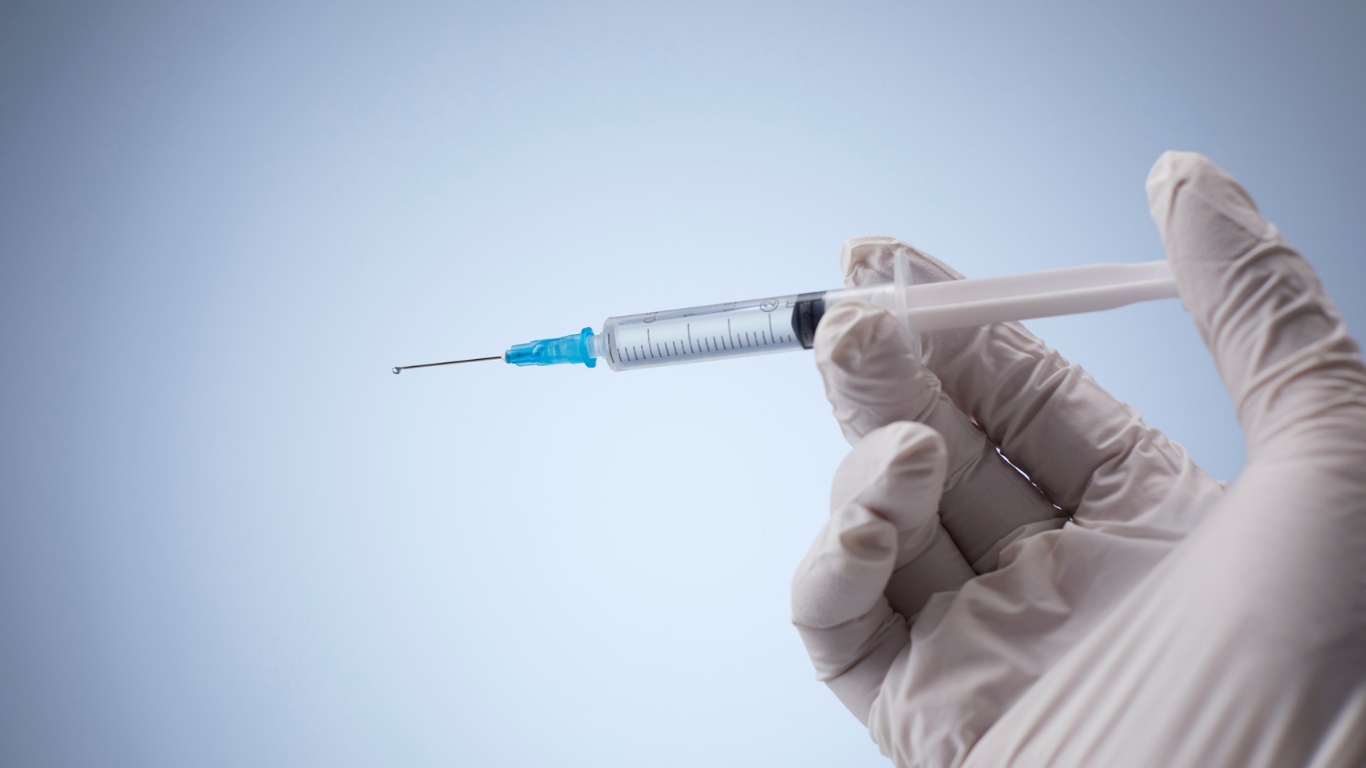
2. Testosterone injections
Testosterone injections are taken once per week. Some long-acting testosterone injections provide a long-term solution, as they are injected every 14 weeks. Testosterone levels suddenly spike right after administration and then gradually decline, which can lead to fluctuations in hormone levels and variations in energy between doses.
3. Testosterone pills
Testosterone is also available in capsule form (called testosterone undecanoate), which is taken orally. However, some of these oral testosterone formulations have bioavailability issues that limit how much of the hormone is absorbed into the bloodstream.
4. Testosterone patches
These patches are applied to the skin like a Band-Aid once a day. They provide a consistent supply of testosterone throughout the day. Testosterone patches are commonly placed on the back, abdomen, upper arms or thighs. Skin irritation at the application site is a possible side effect, so rotating sites is recommended.
5. Testosterone pellets
Testosterone pellets are of a very small size. They are injected just under the skin, from where they supply a consistent dose of testosterone. They are replaced every 3 to 6 months.
6. Testosterone buccal tablets
Buccal tablets adhere to the gum line and provide a controlled-release testosterone replacement to manage low blood testosterone.
7. Nasal testosterone gels
Nasal testosterone gels come in a pump dispenser that delivers a controlled dose of testosterone directly to the nasal membranes for absorption.
8. Testosterone injections with HCG injections (for men who wish to retain their fertility)
Exogenous testosterone can diminish your natural testosterone production over time, leading to male infertility. So, if a man on hormone therapy TRT wishes to maintain his fertility, his doctor may prescribe Human Chorionic Gonadotropin (HCG) injections.
They support natural testosterone and sperm production, helping prevent infertility. HCG works by mimicking luteinizing hormone (a hormone secreted by the pituitary gland) that stimulates testicles to release testosterone.
FAQs about low testosterone treatments
How much does TRT cost?
TRT can cost anywhere from £70 to £130 per month, depending on what treatment you go with to increase total and free testosterone levels.
How many blood tests will I have throughout my TRT journey?
We need two types of blood tests initially, followed by a further test after 6 weeks, then 6 months, then yearly after that. Your blood test results will help your doctor optimise your treatment plan.
Is it better to have HCG with testosterone?
Only if you plan on having a child and wish to remain fertile whilst on TRT.
Where do I inject testosterone?
You can inject testosterone in the upper arm, upper legs and glutes. Our doctors will show you how to do this, and after some time, it will become very easy to self-administer testosterone.
How long does it take for testosterone injections to work?
Testosterone injections start working immediately by raising total and free testosterone levels after injection. However, their effects can take time to become noticeable. Changes in libido or energy often appear within a month, while effects on muscle mass and bone density can take several months.
Can I apply testosterone cream at night?
Yes, generally it is safe to apply testosterone cream at night but you should confirm it with your doctor.
Where can I buy testosterone injections?
You can purchase testosterone injections from licensed pharmacies. It’s important to note that testosterone is a prescription-only medication, so you must have a prescription in order to purchase it.
Does testosterone cream work?
Yes, testosterone cream work when applied correctly according to the prescription.
If you need help with your testosterone levels or low T treatments, contact us to speak to one of our experienced staff members today.